Top 5 Sustainable Bridal Fashion Trends for 2026
Author
ANOKHI REET TEAM
Published On
June 12, 2026
Topic
Wedding Fashion

Are you searching for the perfect look that aligns with sustainable bridal fashion?
If you are planning your wedding in 2026, you have likely noticed a massive shift in how modern brides approach their wedding wardrobes. The days of buying a thirty-kilo, heavily embellished lehenga only to lock it away in a dark closet for decades are rapidly fading into the past. Today’s brides are incredibly conscious of their environmental footprint, but they also refuse to compromise on looking absolutely breathtaking on their special day. This delicate balance between luxury and ecological responsibility is driving a massive revolution in the wedding industry. Conscious consumerism is no longer a niche concept; it is the driving force behind the most exciting and innovative changes in modern bridal wear.
The Rise of Sustainable Bridal Fashion
Over the last few years, the conversation around the environmental impact of the fashion industry has reached a tipping point. Fast fashion has been widely criticized, but the bridal industry—with its emphasis on single-use, highly complex garments—has also come under intense scrutiny. A traditional Indian bridal lehenga requires enormous amounts of water, energy, and raw materials to produce. The intricate hand-embroidery, while beautiful, often involves massive supply chains that are rarely carbon-neutral. Recognizing this, modern brides are demanding better alternatives. They want their wedding day to be a celebration of love, not a contributor to environmental degradation.
This profound shift in consumer mindset has given birth to a completely new aesthetic and operational model within the wedding industry. Designers, retailers, and brides are coming together to redefine what it means to be beautifully dressed. The focus has shifted from mindless consumption to thoughtful curation. From upcycled fabrics to zero-waste pattern cutting, and from heirloom restoration to the booming rental economy, the options for an eco-conscious bride are more diverse and spectacular than ever before. If you are planning a wedding this year, understanding these trends is essential to curating a wardrobe that is both breathtaking and responsible.
Trend 1: The Rental Revolution
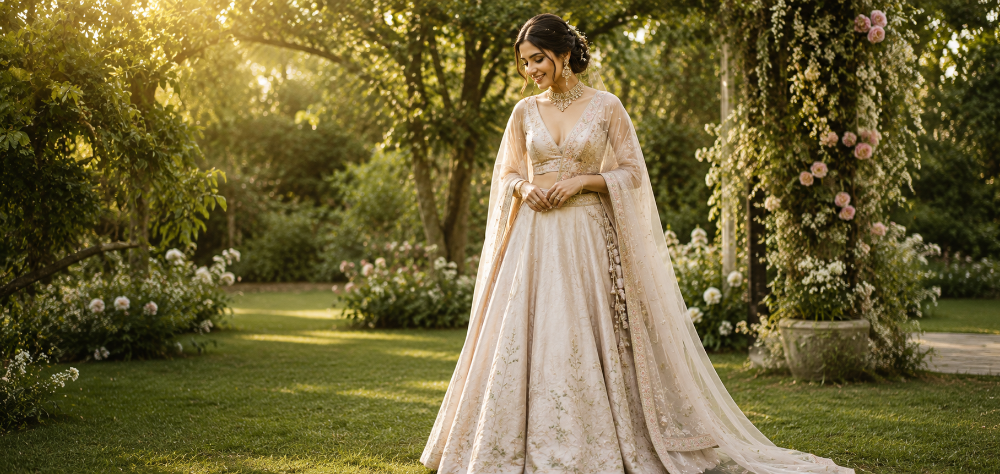
The most significant and impactful trend in sustainable bridal fashion is undoubtedly the explosion of the luxury rental market. Renting your wedding outfit is no longer viewed as a budget constraint; it is seen as a badge of honor for the smart, eco-conscious bride. Why spend a small fortune on a garment that you will wear for precisely six hours? By choosing to rent, you participate directly in the circular economy, drastically extending the lifespan of a garment and dividing its carbon footprint among dozens of wearers.
Renting allows brides to access top-tier designer labels that might otherwise be entirely out of their budget. You can walk down the aisle in a masterpiece crafted by renowned artisans without the guilt of hoarding it afterward. Platforms dedicated to high-end ethnic wear ensure that these garments are meticulously maintained, professionally restored after each use, and custom-fitted to your exact measurements. This means you get the pristine, luxurious experience of wearing a brand-new designer lehenga, combined with the profound peace of mind that comes from making an environmentally sound decision.
Trend 2: Upcycled and Heirloom Revival
Another beautiful trend taking 2026 by storm is the revival and upcycling of heirloom pieces. There is an incredibly deep emotional resonance in wearing something that belonged to your mother or grandmother. However, vintage silhouettes and fabrics might not always align with a modern bride's vision. This is where the art of upcycling comes into play. Skilled artisans and specialized boutiques are taking decades-old sarees, dupattas, and vintage fabrics, and transforming them into contemporary masterpieces.
Imagine taking the heavily embroidered border of your grandmother’s wedding saree and incorporating it into a sleek, modern lehenga skirt. Or transforming a vintage silk dupatta into a stunning, structured blouse. This practice not only preserves precious family history but also completely bypasses the environmental cost of manufacturing new textiles. Upcycling requires immense creativity and skill, resulting in a garment that is entirely unique. No two upcycled bridal outfits are ever the same, ensuring that your wedding look is as distinct and personal as your love story.
Making Smart Choices for Your Trousseau
As you build your trousseau, it is vital to look beyond the main wedding day outfit. The pre-wedding festivities—the Haldi, Mehndi, Sangeet, and Cocktail night—all require distinct looks. This is where your commitment to sustainable bridal fashion can truly shine. Instead of purchasing five different heavy outfits, brides are strategically mixing rentals, upcycled pieces, and versatile investments that can be worn again.
Trend 3: Handloom and Organic Fabrics
If you do choose to purchase certain items for your trousseau, the trend is heavily leaning toward handloom and organic fabrics. The chemical-heavy processes used to create synthetic fabrics like polyester and nylon are incredibly damaging to the environment. In contrast, natural fibers like organic cotton, raw silk, linen, and hemp are biodegradable and require significantly less energy to produce.
India has a phenomenally rich heritage of handloom textiles—from Banarasi brocades to Kanjeevaram silks, and from Chanderi to Ikat. Supporting local artisans who weave these fabrics by hand is a crucial aspect of sustainable fashion. These fabrics are not only environmentally superior but also offer unparalleled breathability and comfort, which is essential when you are navigating long ceremonies under bright lights. Furthermore, handloom fabrics possess a timeless elegance that synthetic materials simply cannot replicate, ensuring your trousseau remains stylish for decades.
If you are eager to embrace this incredible movement, you should definitely explore the rental collections at Anokhi Reet. They offer an astonishing variety of eco-friendly, premium outfits that perfectly align with your values and your vision for the big day. Choosing a platform that prioritizes circular fashion is the easiest way to make a massive positive impact.
Trend 4: Multi-Functional and Modular Silhouettes
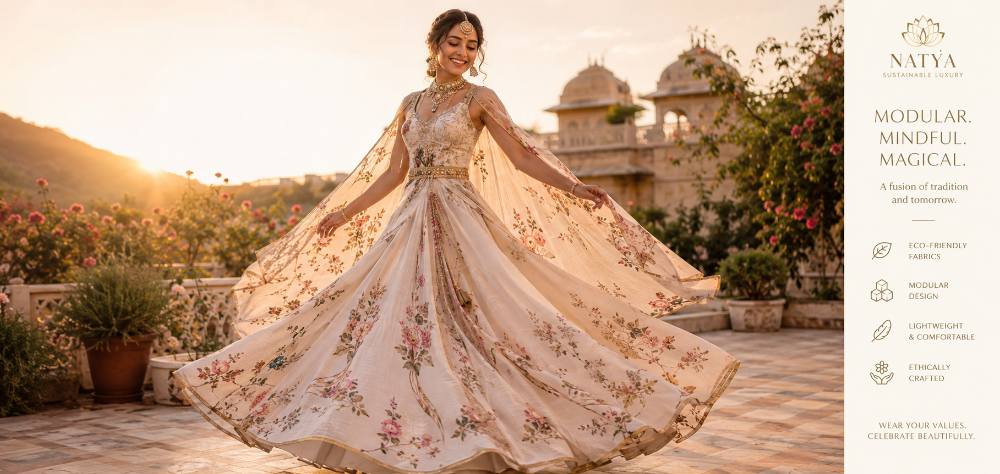
The concept of a "single-use" garment is fundamentally opposed to sustainability. To combat this, designers are increasingly creating multi-functional, modular bridal wear. These are garments designed to be deconstructed and restyled long after the wedding is over. Think of a heavy bridal lehenga where the intricate, heavily embroidered can-can skirt can be detached, leaving a much lighter, A-line skirt underneath that is perfect for attending a friend's wedding or a festive Diwali party.
Modular blouses are also gaining immense popularity. A blouse might feature dramatic, sweeping cape sleeves for the reception, which can be unbuttoned to reveal a sleek, sleeveless design for future wear. Dupattas are being styled as standalone capes or even draped as dresses. By investing in—or renting—modular pieces, you are ensuring that the garment has a vibrant, active life well beyond your wedding day. This versatility is the hallmark of a truly modern, intelligent wardrobe.
Trend 5: Minimalist Embellishments and Natural Dyes
For decades, the perceived value of an Indian bridal outfit was directly correlated with its weight. The more crystals, sequins, and heavy zardozi it featured, the more luxurious it was considered to be. However, the production of synthetic sequins and glass crystals has a significant environmental toll, and making these heavy garments requires immense amounts of energy. In 2026, the paradigm has shifted toward minimalist elegance.
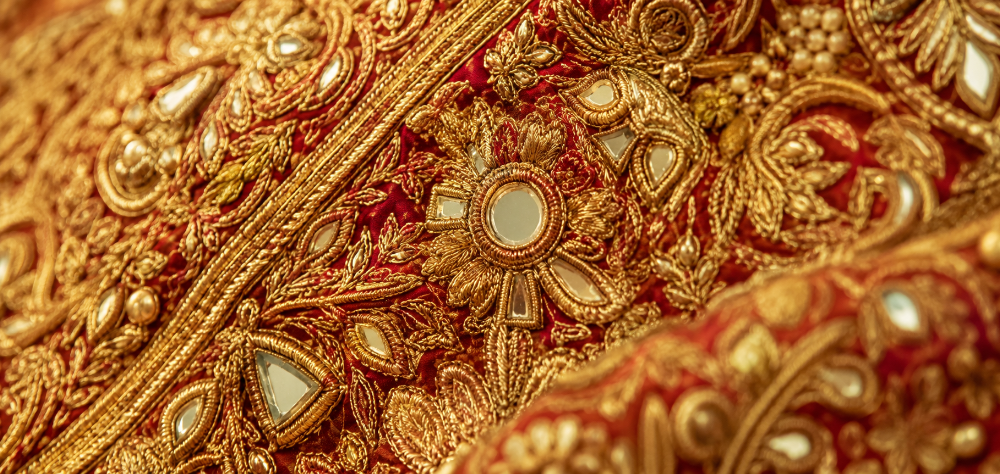
Brides are increasingly opting for intricate thread work, delicate pearl embroidery, and subtle gota patti over blinding, heavy crystal embellishments. This minimalist approach not only makes the outfit significantly lighter and more comfortable to wear, but it also reduces the environmental impact of the garment's creation. Alongside minimalist embroidery, the use of natural, plant-based dyes is seeing a massive resurgence. Chemical dyes are notoriously toxic to waterways, whereas natural dyes—derived from flowers, roots, and bark—are completely biodegradable and produce stunning, earthy hues that are incredibly flattering.
The Future of Indian Weddings
The transition towards eco-conscious weddings is not just a passing phase; it is a permanent evolution in how we celebrate life's biggest milestones. The modern bride understands that her choices have power. By refusing to participate in the wasteful practices of the past, she is setting a new standard for luxury. Luxury is no longer defined by excess; it is defined by intentionality, craftsmanship, and respect for the planet.
As this movement grows, we can expect to see even more innovation in the space of bridal wear. We will likely see the development of new, biodegradable fabrics, advanced zero-waste manufacturing techniques, and highly localized supply chains that empower rural artisans while minimizing carbon emissions. The rental market will continue to expand, offering an even wider array of styles, sizes, and designers, making sustainable choices accessible to every single bride, regardless of her budget or location.
For anyone currently in the midst of wedding planning, taking that first step toward a sustainable celebration might seem daunting, but it does not have to be an all-or-nothing endeavor. You do not need to host a zero-waste, off-the-grid wedding to make a difference. Start small. Choose to rent your Sangeet outfit instead of buying it. Opt for digital invitations instead of paper ones. Support a local weaver for your trousseau sarees. Every single conscious choice you make contributes to a larger, incredibly positive wave of change within the industry.
In conclusion, your wedding day is a celebration of your future, and there is no better way to honor that future than by making choices that protect the world you are stepping into. Embracing sustainable bridal fashion allows you to look absolutely spectacular, feel incredibly comfortable, and carry the profound joy of knowing your beautiful celebration left a gentle footprint on the earth. Enjoy the process of planning, celebrate your love consciously, and step into your new life with style and grace.


