Decoding the Dress Code: The Ultimate Guide to Indian Wedding Guest Outfits
Attending an Indian wedding? Discover exactly what to wear to every ceremony with our comprehensive guide to Indian wedding guest outfits and modern styling tips.
Author
ANOKHI REET TEAM
Published On
August 10, 2026
Topic
Wedding Fashion

Have you recently received an invitation to a grand Indian wedding and immediately felt a wave of wardrobe panic wash over you? You are certainly not alone. Indian weddings are globally renowned for their incredible scale, vibrant energy, and multiple days of non-stop celebration. However, with multiple distinct ceremonies spread across several days, the pressure to wear multiple spectacular outfits can feel completely overwhelming. Decoding the dress code for each specific event—from the playful Haldi to the formal evening Reception—requires a bit of insider knowledge. In this comprehensive guide, we will break down exactly how to choose the perfect Indian wedding guest outfits for every occasion, ensuring you look culturally appropriate, highly fashionable, and effortlessly elegant without the stress.
Understanding the Multi-Day Celebration
Before you begin planning your wardrobe, it is essential to understand the structure of a traditional Indian wedding. Unlike Western weddings which typically take place over a single afternoon and evening, an Indian wedding is a marathon of distinct cultural events. You cannot simply wear one formal dress or suit for the entire weekend. Each ceremony has its own specific vibe, cultural significance, and expected dress code.
Generally, a standard North Indian or cross-cultural wedding weekend consists of three main events: the daytime Haldi or Mehndi, the evening Sangeet or Cocktail party, and the main Wedding Ceremony (Pheras) which is often followed immediately by the Reception. Understanding the tone of each event is the first critical step in building a successful wedding guest wardrobe.
Daytime Events: The Haldi and Mehndi
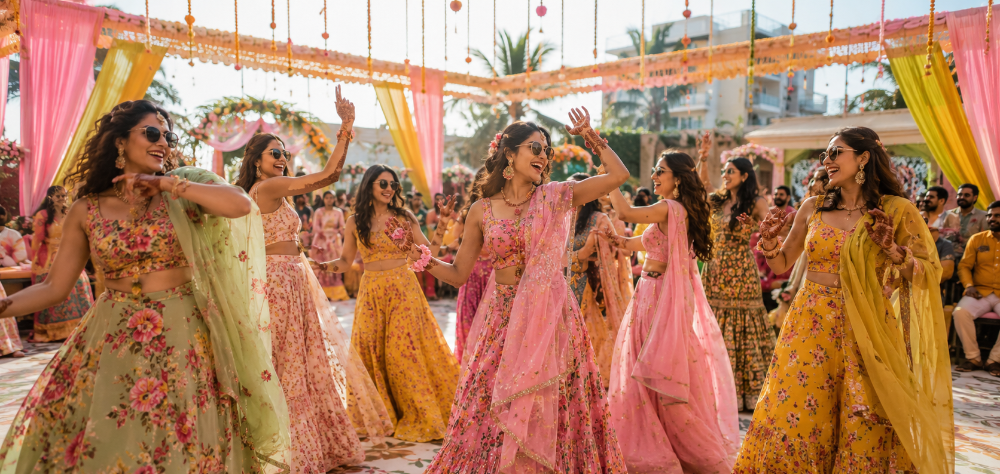
The Haldi and Mehndi ceremonies usually kick off the wedding festivities. These events are almost always held during the daytime, frequently outdoors, and have a very relaxed, playful, and intimate atmosphere. The Haldi involves applying yellow turmeric paste to the couple, while the Mehndi involves applying intricate henna designs.
What Women Should Wear
For these daytime events, comfort and vibrant colors are your best friends. Leave your heavy velvets and dark, heavily embroidered silks at home. Instead, opt for lightweight, breathable fabrics like cotton, georgette, or organza. A breezy floral printed lehenga, a bright sharara set, or a chic Indo-western co-ord set are all fantastic choices. Colors like mustard yellow, bright orange, hot pink, and mint green fit the festive outdoor vibe perfectly. Since you might be sitting on the floor while henna is applied, prioritize outfits that allow for easy, unrestricted movement.
What Men Should Wear
Men should also lean into the relaxed, festive atmosphere. A crisp, well-fitted cotton or linen kurta pajama is the absolute gold standard for daytime events. You can elevate the look by adding a floral printed or brightly colored Nehru jacket. Avoid formal suits, heavy sherwanis, or anything too dark and restrictive. Soft pastels like powder blue, peach, or classic lemon yellow work incredibly well for men during the Mehndi and Haldi.
The Evening Sangeet and Cocktail Party
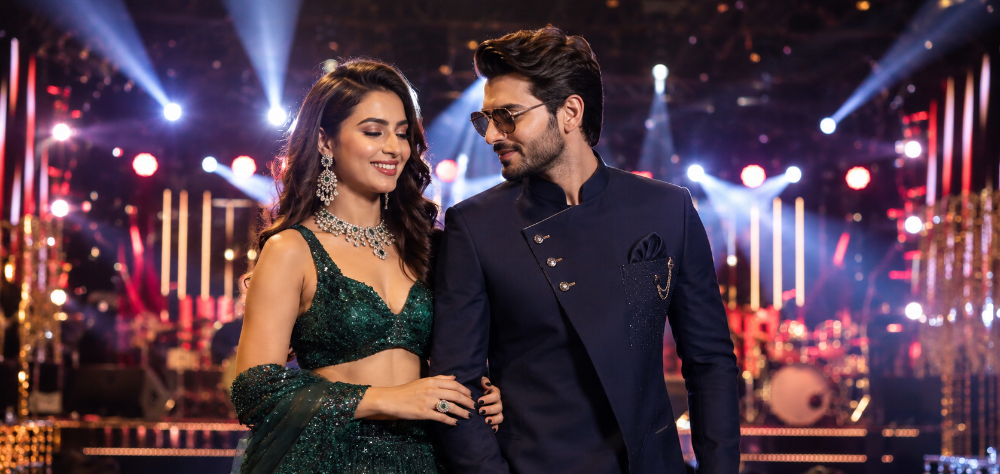
The Sangeet is essentially a massive, glamorous dance party. It is the evening where family and friends perform choreographed dances on stage, and the energy is incredibly high. The dress code shifts from playful daytime wear to glamorous evening wear.
What Women Should Wear
The Sangeet is the perfect time to bring out the bling. This is where you want an outfit that sparkles under the stage lights and moves beautifully when you dance. A pre-draped cocktail saree, a glamorous sequined lehenga, or a heavily embroidered Anarkali gown are highly appropriate. Jewel tones like emerald green, deep sapphire blue, ruby red, and rich metallic shades of gold and silver dominate the Sangeet fashion landscape. Ensure your outfit is secure and comfortable enough to withstand hours of energetic dancing on the floor.
What Men Should Wear
For men, the Sangeet calls for a sharp, modern aesthetic. A structured Indo-western outfit—such as a tailored bandhgala suit, an asymmetrical kurta with a draped cowl neck, or a sleek Jodhpuri suit—is ideal. Darker, richer colors like navy blue, charcoal grey, or deep maroon look incredibly sophisticated for these evening events. If you prefer a more Western approach, a sharp tuxedo or a well-tailored dark suit is often perfectly acceptable for a cocktail evening, but adding an ethnic touch always shows wonderful respect for the culture.
The Main Wedding Ceremony (Pheras)
The main wedding ceremony is the most traditional, formal, and culturally significant part of the entire weekend. Whether it takes place in a temple, a grand hotel ballroom, or an outdoor palace courtyard, the dress code demands respect and classic elegance.
What Women Should Wear
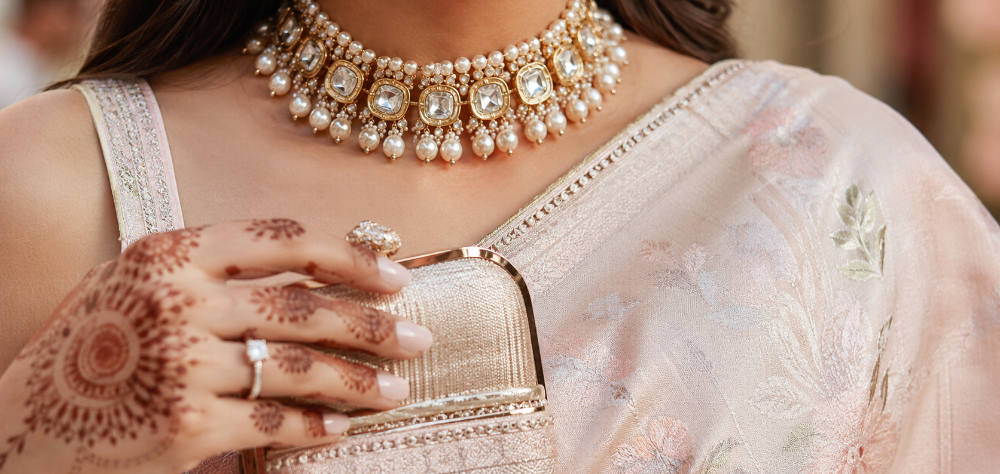
This is the occasion to embrace traditional Indian silhouettes. A classic, beautifully draped silk saree, a traditional Banarasi lehenga, or a heavy, formal Anarkali suit are the most appropriate choices. While you should look spectacular, there is one major unwritten rule: avoid wearing heavy, bright bridal red. That color is strictly reserved for the bride. Instead, opt for elegant pastels, rich jewel tones, or classic neutrals like ivory and gold. Pair your outfit with traditional jewelry like Polki or Kundan sets to complete the formal look.
What Men Should Wear
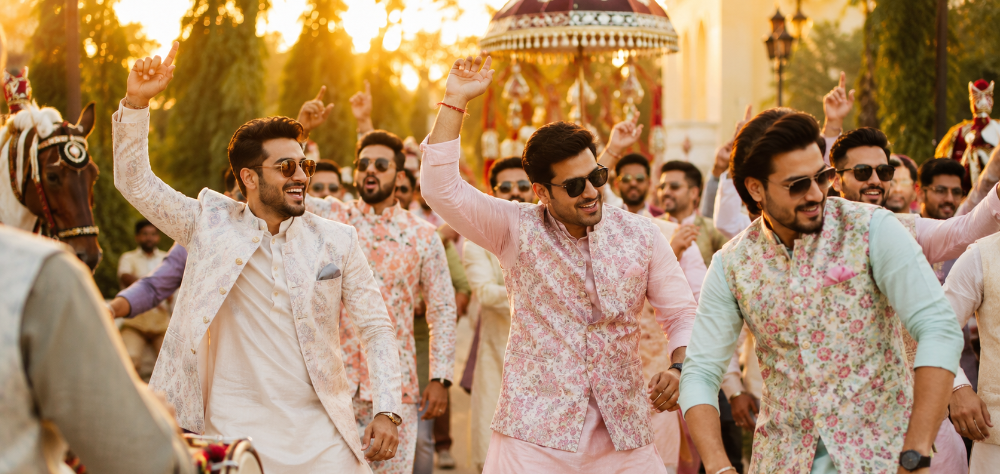
For the main wedding ceremony, men should lean heavily into traditional formalwear. A classic tailored sherwani, a heavy silk kurta set with a structured Nehru jacket, or a traditional Achkan are all excellent choices. If you are close to the groom's family and participating in the Baraat (the groom's lively wedding procession), ensure your footwear is comfortable, as you will likely be dancing in the streets for over an hour before the ceremony even begins!
The Smart Financial Strategy: Why Renting is Key
Let's address the elephant in the room: attending an Indian wedding is expensive. Between flights, hotel accommodations, and gifts, the costs add up rapidly. Now, add the pressure of buying three to four distinct, heavy, designer ethnic outfits for a single weekend. It is a massive financial burden, especially when you realize you will likely never wear that heavy sequined Sangeet lehenga or that structured sherwani ever again.
This is precisely why smart wedding guests are turning to the rental economy. You can easily browse our ethnic wear collection to curate your entire wedding weekend wardrobe for a fraction of the retail cost. Renting allows you to wear premium, authentic designer labels for every single event without the immense guilt of overspending. You get to enjoy the luxury of wearing a different, spectacular outfit for the Mehndi, the Sangeet, and the Wedding, and then simply return them when the weekend is over.
Embracing Sustainable Fashion as a Guest
Beyond the obvious financial savings, renting your wedding guest wardrobe is a powerful commitment to environmental sustainability. The traditional model of buying heavy ethnic wear for a single use is incredibly wasteful. These garments require massive amounts of water, energy, and labor to produce, and they often end up sitting in closets for decades before being discarded into landfills.
By renting your outfits from Anokhi Reet, you are actively participating in the circular fashion economy. You ensure that a beautifully crafted garment is worn multiple times, maximizing its lifespan and drastically reducing the demand for new, resource-intensive production. As a guest, you can look absolutely stunning, celebrate your friends' love, and know that your fashion choices are actively helping to protect the environment. It is the ultimate modern approach to luxury fashion.
Real Guest Experiences
Consider the experience of Meera and her husband Kabir, who were recently invited to a massive three-day destination wedding in Jaipur. "I was initially terrified when I saw the itinerary," Meera recalls. "I needed a floral outfit for the Mehndi, something glamorous for the Sangeet, and a formal saree for the wedding. Buying all of that would have easily cost over a lakh rupees."
Instead, they turned to renting. "I rented three incredible designer outfits from Anokhi Reet, and Kabir rented a sherwani and a cocktail suit," she explains. "We looked amazing in all the photos, we received compliments all weekend, and we spent a fraction of what we had budgeted. The best part? When we flew back home, we didn't have to worry about dry-cleaning or storing bulky clothes we would never wear again. It was completely stress-free."
Conclusion: Dress Smart, Celebrate Hard
Attending an Indian wedding is a beautiful, unforgettable experience that should be focused on celebrating love, culture, and community—not stressing over a demanding dress code. By understanding the specific tone and requirements of each ceremony, you can easily curate a wardrobe that is respectful, fashionable, and comfortable.
Most importantly, remember that you do not need to empty your bank account to look like a million bucks. By utilizing a premium rental platform, you gain access to the finest designer ethnic wear, save substantial amounts of money, and make a highly sustainable, eco-friendly choice. So go ahead, rent your dream outfits, dance the night away at the Sangeet, and enjoy every single vibrant moment of the wedding weekend with absolute confidence.
Share this blog
More from Anokhi Reet

Wedding Fashion
Sustainable Style: Why It's Time to Rent Ethnic Wear for Indian Weddings
Aug 12, 2026/ANOKHI REET TEAM

Wedding Fashion
The Ultimate Guide to Haldi Ceremony Outfits for Brides and Grooms
Aug 10, 2026/ANOKHI REET TEAM

Wedding Fashion
The Ultimate Guide to Choosing the Perfect Wedding Sherwani for Men
Jul 27, 2026/ANOKHI REET TEAM