Sustainable Style: Why It's Time to Rent Ethnic Wear for Indian Weddings
Discover why the smartest modern brides and grooms choose to rent ethnic wear, embracing sustainable fashion without sacrificing luxury or style.
Author
ANOKHI REET TEAM
Published On
August 12, 2026
Topic
Wedding Fashion

Have you ever looked into your closet and felt an overwhelming sense of guilt at the sight of heavy, expensive Indian outfits sitting untouched in plastic covers? We have all been there. The Indian wedding industry is globally famous for its incredible grandeur, vibrant colors, and unparalleled luxury. However, behind the glittering celebrations lies a massive, often ignored problem: textile waste. For decades, the tradition has been to purchase brand-new, incredibly expensive, and heavily embroidered outfits for every single wedding event you attend. But as the world shifts toward more eco-conscious living, the conversation around sustainable fashion is finally reaching the traditional Indian wardrobe. Today, a growing revolution is encouraging smart, stylish individuals to rent ethnic wear rather than buy it. Let's explore exactly why the rental economy is the undeniable future of Indian wedding fashion, and why you should absolutely be a part of it.
The Hidden Cost of Traditional Indian Fashion
To truly understand the value of sustainable fashion, we must first look at the environmental cost of traditional Indian ethnic wear. Producing a single, heavily embellished designer lehenga or a premium silk sherwani is an incredibly resource-intensive process. The journey from raw materials to the final, glittering garment involves massive amounts of fresh water, energy consumption, and often relies on harsh chemical dyes that pollute local waterways.
Furthermore, the fast-fashion mentality has seeped into ethnic wear. Trends change at lightning speed. The pastel pink lehenga that was the absolute peak of fashion two years ago is suddenly considered "dated" today. This rapid trend cycle forces consumers to constantly buy new outfits to stay relevant, leading to overflowing closets and a massive increase in textile waste when these barely-worn garments are eventually discarded into landfills. The current "buy-wear-once-discard" model is simply not sustainable for our planet.
The Brilliance of the Circular Fashion Economy
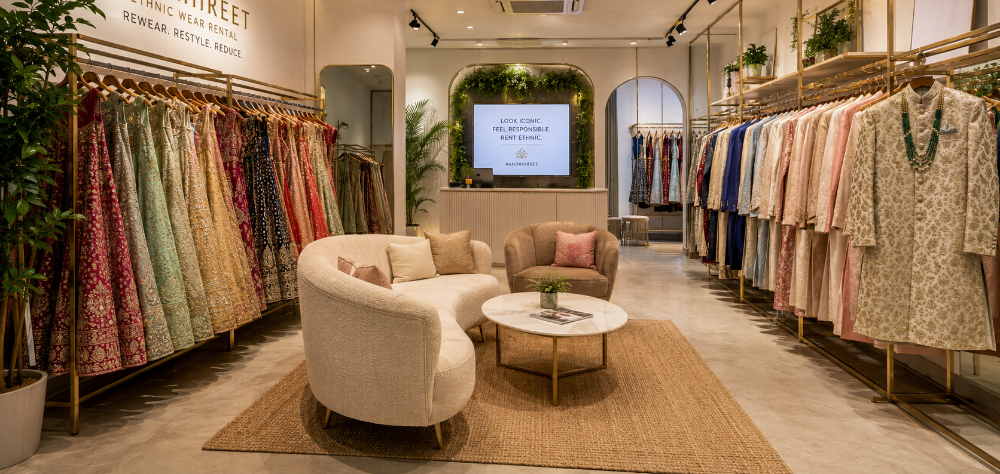
This is precisely where the rental model steps in as the ultimate hero. The concept of renting clothes is the backbone of the "circular fashion economy." Instead of a garment having a linear lifespan—where it is produced, worn once, and thrown away—the circular model ensures that a single garment is utilized to its absolute maximum potential.
Maximizing the Lifespan of a Garment
When you choose to rent, you are actively ensuring that a beautifully crafted, resource-heavy garment is worn dozens of times by different people. This drastically reduces the global demand for new, wasteful production. A single designer lehenga rented ten times essentially prevents the environmental impact of manufacturing nine brand-new outfits. It is a highly effective way to enjoy luxury fashion while actively minimizing your carbon footprint.
Reducing Closet Clutter and Waste
From a purely practical standpoint, renting solves the universal problem of closet clutter. Indian ethnic wear is notoriously bulky. Storing heavy can-can skirts, massive velvet dupattas, and padded sherwanis takes up a tremendous amount of physical space in your home. By renting, you simply enjoy the outfit for the weekend and return it, keeping your living space clean, organized, and free from the guilt of unworn clothes.
The Undeniable Financial Freedom
While the environmental benefits are massive, the primary reason the rental revolution is exploding across India is undeniably financial. The cost of attending an Indian wedding—especially if you are close family or part of the bridal party—is staggering. Buying three or four distinct designer outfits for the Mehndi, Sangeet, Wedding, and Reception can easily drain your bank account.
Why spend a lakh of rupees on a heavy Sangeet outfit that you will literally wear for three hours and never touch again? It is a terrible financial investment. When you browse our ethnic wear collection, you instantly unlock access to premium, authentic designer labels for a mere fraction of their exorbitant retail price. You can literally wear a different high-end designer outfit to every single event, look like a million bucks, and still have enough money left over to invest in your future, travel, or buy something you will actually use every day.
Debunking the Myths of Renting
Despite the obvious benefits, many people still harbor outdated misconceptions about renting clothes in India. Let's address and debunk the most common myths surrounding the rental economy.
Myth 1: "The Clothes Won't Fit Properly"
This is a completely outdated fear. Modern, premium rental platforms understand that ethnic wear requires a perfect fit. When you rent from a reputable company, they provide detailed sizing charts, offer custom alterations, and often send backup sizes to ensure the outfit fits you like a glove. You are never forced to wear something baggy or ill-fitting.
Myth 2: "The Clothes Are Unhygienic"
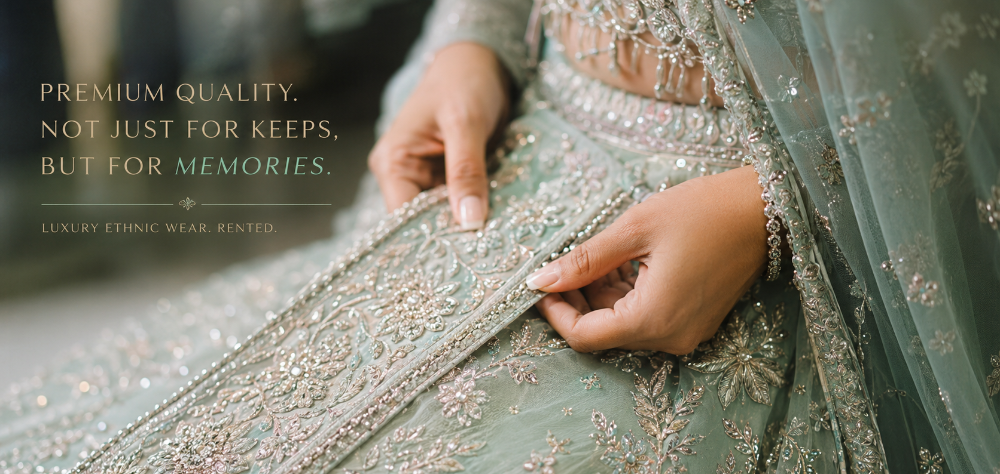
This is perhaps the biggest misconception. Premium rental platforms have incredibly strict, professional dry-cleaning and sanitization protocols. Every garment is rigorously inspected, repaired if necessary, and deep-cleaned using industrial-grade techniques before it is ever sent to the next customer. The rented outfit arrives at your door looking, smelling, and feeling absolutely brand new, often cleaner than the clothes sitting in your own closet!
Accessing Unattainable Luxury
One of the most exciting aspects of the rental economy is the democratization of luxury. Let's be honest: most of us cannot afford to regularly purchase outfits from top-tier, internationally recognized Indian designers. These garments are priced as luxury art pieces.
Renting completely shatters this financial barrier. It allows a college student attending her sister's wedding, or a young professional attending a corporate Diwali gala, to confidently wear a premium designer label that they would otherwise never be able to afford. You get to experience the incredible craftsmanship, the perfect draping, and the undeniable confidence that comes with wearing a true designer piece, all without the crushing financial guilt. It makes high fashion accessible to everyone, not just the ultra-wealthy.
Real Stories: The Smart Modern Consumer
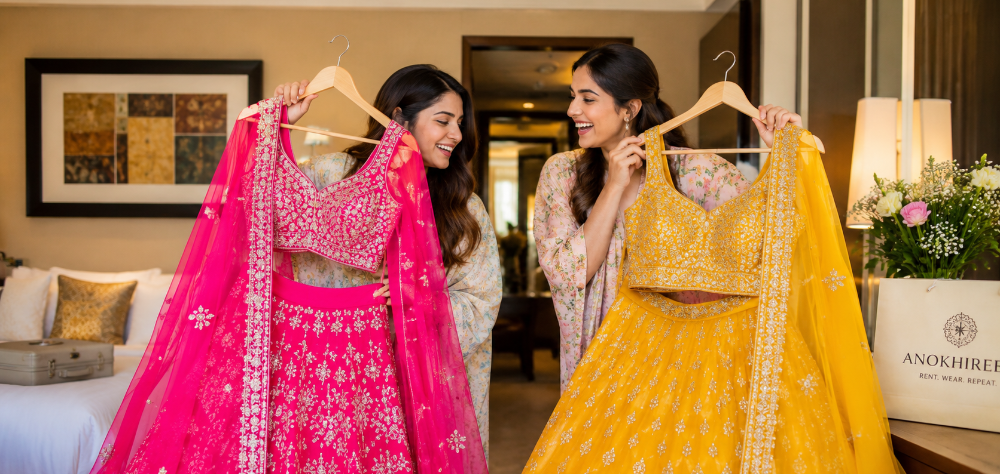
The shift towards renting is being driven by smart, conscious consumers who value experiences and financial freedom over accumulating unnecessary possessions. Take Neha, a young marketing executive based in Delhi, who attends at least five major weddings every winter season. "I used to spend half my annual bonus just trying to keep up with the wedding outfits my social circle expected," she admits. "It was exhausting and so wasteful. Last year, I made a strict rule to only rent my ethnic wear from Anokhi Reet. Not only did I save a massive amount of money, but I actually wore better, more premium designer outfits than I ever could have bought myself. I received so many compliments, and I didn't add a single heavy outfit to my tiny apartment closet."
Similarly, a modern bride named Meera chose to rent her heavy reception lehenga. "I knew I wanted a massive, dramatic, heavily crystallized gown for the reception stage," Meera says. "But I also knew it would cost me over a lakh rupees and I would literally never, ever wear it again. Renting it was the smartest decision I made during the wedding planning. I looked like royalty on stage, I saved a fortune, and I felt great knowing I wasn't contributing to unnecessary textile waste. It was a win-win for my budget and the environment."

Conclusion: Wear the Trend, Don't Buy It
The era of mindlessly purchasing heavy, expensive, one-time-wear Indian ethnic outfits is rapidly coming to an end. The modern consumer is smarter, more financially savvy, and deeply conscious of their environmental impact. By embracing the circular fashion economy, you are making a powerful statement that style and sustainability can absolutely coexist.
You do not need to compromise on luxury, quality, or the thrill of wearing a spectacular outfit to your next big event. By choosing to utilize a premium rental platform, you gain instant access to the finest designer wear, save a substantial amount of your hard-earned money, and actively help protect our planet from unnecessary textile waste. It is time to rethink your wardrobe. Wear the trend, look absolutely breathtaking, and then simply return it. The future of Indian wedding fashion is sustainable, and it is undoubtedly rented.
Share this blog
More from Anokhi Reet

Wedding Fashion
Decoding the Dress Code: The Ultimate Guide to Indian Wedding Guest Outfits
Aug 10, 2026/ANOKHI REET TEAM

Wedding Fashion
The Ultimate Guide to Haldi Ceremony Outfits for Brides and Grooms
Aug 10, 2026/ANOKHI REET TEAM

Wedding Fashion
The Ultimate Guide to Choosing the Perfect Wedding Sherwani for Men
Jul 27, 2026/ANOKHI REET TEAM